
Why Your Smart Devices Still Need a Human in the Loop
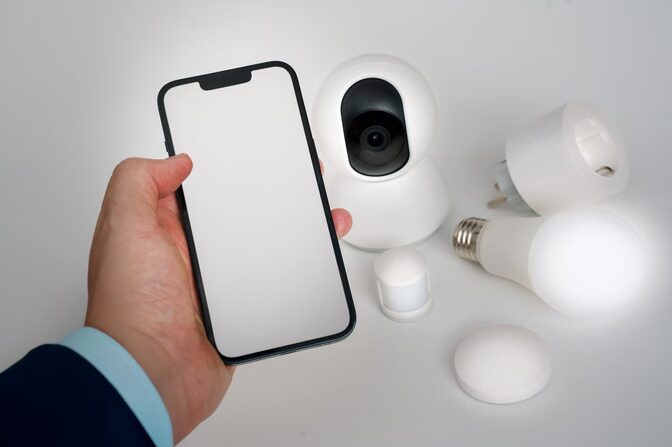
Smart speakers suggest your grocery list, apps sort your photos by face, and your thermostat guesses when you’ll be home. None of this feels like artificial intelligence anymore because it’s just woven into the background of ordinary life. But every one of those small conveniences runs on systems that make decisions without asking permission first, and that’s worth paying attention to.
The Convenience Trap
It’s easy to hand over more control the moment something works well a few times in a row. A navigation app reroutes you around traffic, a spam filter catches junk mail, and pretty soon you stop double-checking either one. That trust is earned fairly, but it also means fewer people notice when the system starts making small mistakes. Automation doesn’t announce its errors. A playlist algorithm that keeps suggesting the same three artists isn’t a crisis, but a hiring tool that quietly filters out qualified applicants, or a medical scheduling system that deprioritizes certain patients, is a different story entirely. The stakes rise with the complexity of the task, even if the interface looks just as friendly.
Where Things Quietly Go Wrong
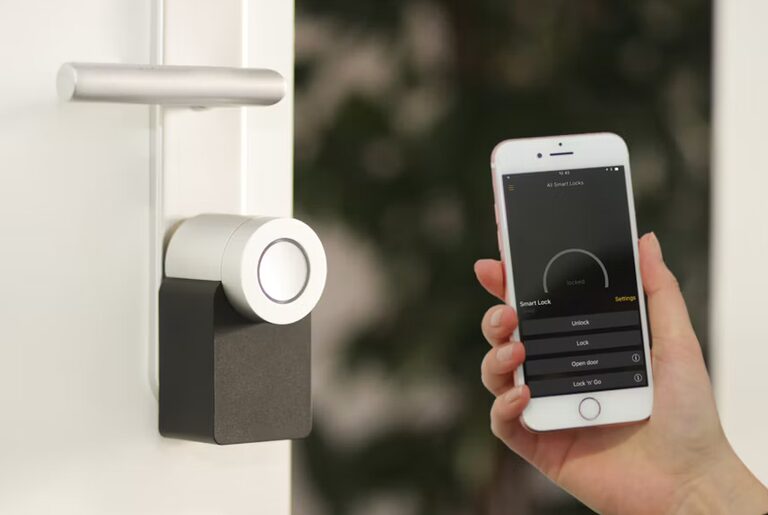
Most AI failures aren’t dramatic. They’re subtle drifts: a recommendation engine that narrows your options over time, a credit-scoring tool trained on outdated patterns, a content filter that can’t tell satire from misinformation. These systems aren’t malicious, they’re just doing exactly what they were built to do, which isn’t always what anyone actually wants. The tricky part is that these tools often look authoritative. A number on a screen or a ranked list feels objective, even when the logic behind it is murky or based on incomplete data. People tend to defer to whatever the machine says, especially when they’re busy or the stakes seem low.
Why People Still Have to Check the Work
This is where oversight earns its keep. Someone has to periodically ask whether the system is still doing what it was designed to do, and whether that design still makes sense given new information. Groups like Britannica have written about human oversight in AI as a way to keep these tools accountable rather than treating their output as final. It’s not about distrusting the technology outright; it’s about recognizing that accountability doesn’t disappear just because a decision was automated. Companies that build this kind of review into their products tend to catch problems earlier, before they turn into bigger headaches for customers. The ones that skip it often find out about issues only after users complain loudly enough to be noticed.
Building Better Habits as a User
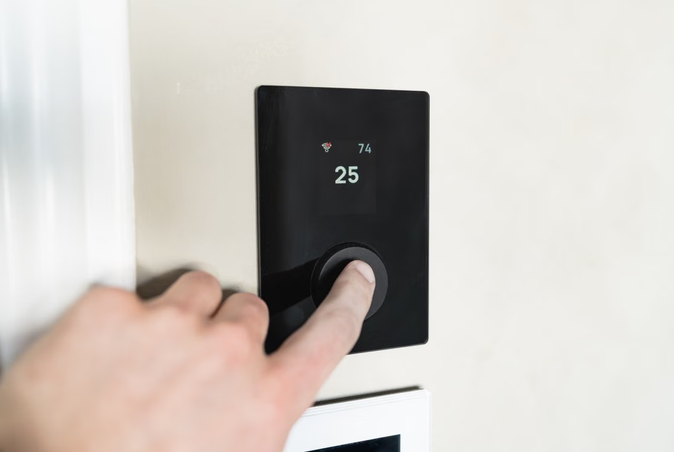
You don’t need to audit every algorithm you encounter, but a few habits help:
- Question results that seem oddly consistent or oddly narrow.
- Look for a way to give feedback or flag errors in apps you use daily.
- Remember that convenience features are suggestions, not verdicts.
- Favor products from companies that are transparent about how their tools make decisions.
None of this requires technical expertise, just a little healthy skepticism baked into routine use.
The tools keep getting better, and most of the time they genuinely make life easier. Staying a bit curious about how they work, and asking who’s checking them, is a small habit that pays off the first time something doesn’t look quite right.…